

Plastic Pallets: A Cost-Effective Choice for More Efficient Logistics
Plastic pallets are widely used for storing, handling and transporting goods across modern supply chains. For businesses looking to manage operating costs, simplify maintenance and improve handling efficiency, they can offer a practical alternative to traditional wooden pallets.
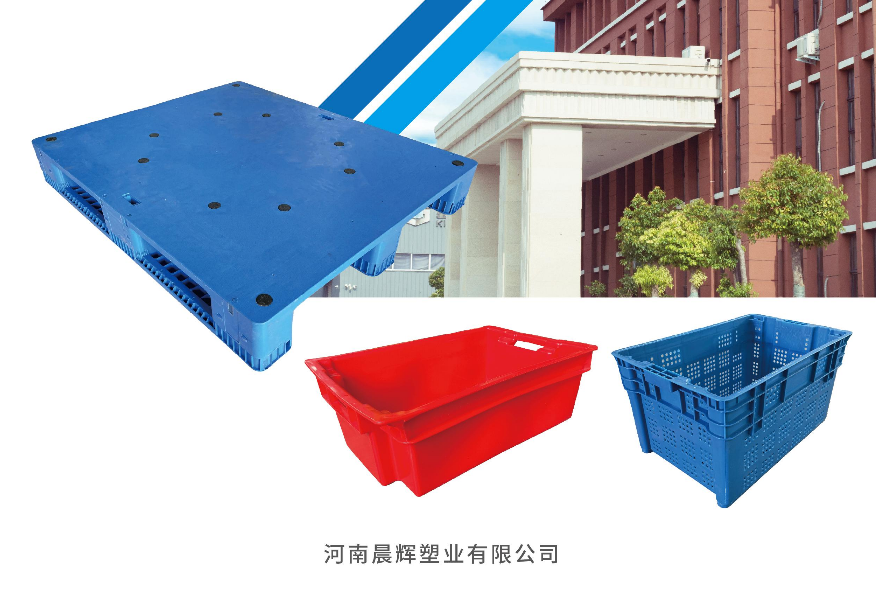
Plastic pallets are widely used for storing, handling and transporting goods across modern supply chains. For businesses looking to manage operating costs, simplify maintenance and improve handling efficiency, they can offer a practical alternative to traditional wooden pallets.
The right pallet depends on the load, handling equipment, storage environment and frequency of use. When these factors are considered carefully, reusable plastic pallets can help businesses manage day-to-day logistics more efficiently.
Qingdao Chenhuitong Plastic Industry Co., Ltd. focuses on the international trade of plastic pallets and other plastic products. Drawing on its manufacturing resources in Henan and its export operations in Qingdao, the company supports the supply of Chinese-manufactured plastic products to international markets.
1. Cost-Effective Performance Over the Long Term
The purchase price is only one part of the total cost of using a pallet. Replacement frequency, maintenance requirements, handling conditions and the number of reuse cycles can all influence the overall cost.
Plastic pallets can be a cost-effective option for businesses that need durable handling equipment for repeated use. Their resistance to moisture and corrosion can be advantageous in environments where wooden pallets may be more susceptible to damp conditions or deterioration.
Wooden pallets can be suitable for many applications, but their condition may be affected by moisture, physical damage and other environmental factors. Plastic pallets offer a different set of performance characteristics and may help reduce replacement requirements when they are selected and used appropriately.
For procurement teams, the most useful comparison is not simply the initial price of each pallet. It is the expected cost over its working life, taking account of purchase price, maintenance, replacement and end-of-life handling.
2. Straightforward Cleaning and Maintenance
Maintenance requirements are another factor to consider when selecting pallets for regular warehouse and transport operations.
Plastic pallets generally have surfaces that are straightforward to clean. Depending on the pallet design, material and type of contamination, routine cleaning may involve water and a suitable cleaning agent.
Unlike steel pallets, plastic pallets do not require conventional rust-prevention treatments. They also avoid some of the moisture-related maintenance issues associated with wooden pallets.
These characteristics can be useful in warehouses, distribution centres and production environments where pallets are handled frequently. A practical cleaning routine can help maintain pallet condition and reduce the time employees spend on routine upkeep.
However, cleaning requirements vary by application. Businesses operating in food processing, pharmaceutical or other hygiene-sensitive environments should verify that the specific pallet material, design and cleaning procedure meet their operational requirements.
3. Versatile Options for Different Handling Requirements
Plastic pallets are available in a range of sizes, designs and load capacities, allowing businesses to select products according to their storage and transport needs.
Depending on the model, available options may include:
- Light-duty pallets for suitable lightweight goods and general handling applications.
- Heavy-duty pallets designed for higher loads within their specified capacity.
- Nestable pallets that can reduce the space required for storing empty pallets.
- Rackable pallets designed for compatible racking applications, subject to the manufacturer's stated load limits and operating conditions.
- Rackable pallets designed for compatible racking applications, subject to the manufacturer's stated load limits and operating conditions.
- Custom-designed pallets with features such as anti-slip surfaces or specific forklift entry configurations, where available.
Before selecting a pallet, buyers should check its dimensions, tare weight, material, load capacity and compatibility with the intended handling equipment.
Static load capacity, dynamic load capacity and racking load capacity describe different operating conditions. A pallet suitable for stacking on a level floor may not necessarily be suitable for use in warehouse racking.
Choosing the correct design for the intended application is essential for reliable handling and safe warehouse operations.
4. Compatibility with Warehouse and Handling Equipment
Plastic pallets can be used alongside a variety of material handling equipment, including forklifts, pallet trucks, conveyors and warehouse storage systems, provided the pallet design is compatible with the equipment.
For businesses planning a warehouse upgrade or reviewing existing handling processes, compatibility should be assessed before placing an order.
Relevant considerations include:
- Pallet dimensions and the available clearance within storage locations.
- Forklift and pallet truck entry points.
- Conveyor requirements and the stability of the pallet during movement.
- Compatibility with racking systems and the specified load limits.
- The dimensions and weight distribution of the goods being handled.
Standardising pallet specifications across suitable applications may also simplify stock management and reduce the complexity of handling different pallet types.
For automated warehouses, high-bay storage or other specialised installations, buyers should confirm compatibility with the equipment supplier and pallet manufacturer rather than assuming that a standard plastic pallet will be suitable.
5. Reuse, Recycling and Environmental Considerations
The environmental performance of a pallet depends on its material, service life, transport requirements, maintenance and end-of-life treatment.
Plastic pallets designed for repeated use may help reduce the frequency of pallet replacement. At the end of their useful life, some plastic pallets can also be recycled, depending on their material composition, condition and the recycling facilities available.
These factors can be relevant to businesses reviewing packaging waste, resource use and supply chain costs.
However, recyclability does not automatically mean that every pallet will be recycled in practice. Buyers should consider the polymer used, whether different materials are combined in the product, and the availability of suitable collection and recycling arrangements in their operating region.
A balanced assessment should consider the full service life of the pallet rather than relying on a single environmental claim.
6. Choosing the Right Plastic Pallet for Your Business
Selecting a suitable plastic pallet starts with understanding how it will be used.
Before requesting a quotation, buyers should consider the following points:
- 1. Load requirements: Establish the weight of the goods and whether the pallet will be stationary, moved or stored on racking.
- 2. Pallet dimensions: PConfirm the required length, width and height, including any restrictions imposed by storage locations or transport equipment.
- 3. Material and operating environment: Consider exposure to moisture, cleaning agents, temperature variations and other relevant conditions.
- 4. Handling equipment: Check compatibility with forklifts, pallet trucks, conveyors and storage systems.
- 5. Reuse and storage: Determine how frequently the pallets will be used and whether nestable or stackable designs would benefit the operation.
- 6. Special requirements: Confirm any hygiene, food-contact, traceability or other application-specific requirements before ordering.
- 7. Total cost: Compare the purchase price with expected service life, maintenance, replacement and end-of-life arrangements.
Providing these details to a supplier can help narrow down the available options and reduce the risk of selecting a pallet that is unsuitable for the intended application.
7. Plastic Pallet Supply for International Markets
Qingdao Chenhuitong Plastic Industry Co., Ltd. is an international trading business focused on plastic pallets and other plastic products. According to the company’s supplied profile, it draws on manufacturing resources in Henan and uses Qingdao’s export location to support international business development.
The company’s stated business focus includes supplying plastic products to overseas markets and supporting customers with product selection and supply coordination.
For importers, distributors and other B2B buyers, the next step is to confirm the product specifications, available designs, order requirements and export arrangements relevant to the intended market.
Buyers should provide their required pallet dimensions, load conditions, application and estimated order quantity when making an enquiry. This information helps establish whether an available model is suitable or whether a customised option needs to be considered.
Conclusion
Plastic pallets can offer practical advantages in terms of reuse, maintenance and application flexibility. Their suitability and overall cost-effectiveness depend on the specific design, operating conditions and requirements of the business.
For UK and European buyers, a careful assessment of load capacity, dimensions, handling compatibility, maintenance and end-of-life options is a useful starting point when comparing pallet solutions.
If you are sourcing plastic pallets for your business, contact Qingdao Chenhuitong Plastic Industry Co., Ltd. with your application requirements and preferred specifications to discuss suitable product options.
Explore More Success Stories
Are Plastic Pallets Better Than
Blog Are Plastic Pallets Better Than Wooden Pallets? A Guide for UK and European Buyers Plastic pallets are widely used for storing, handling and transporting goods across modern supply chains......
Read Case Study →Plastic Pallets: A Cost-Effective Choice
Blog Plastic Pallets: A Cost-Effective Choice for More Efficient Logistics Plastic pallets are widely used for storing, handling and transporting goods across modern supply chains. For businesses looking to manage.....
Read Case Study →Frequently Asked Questions About Plastic Pallets
Are plastic pallets more cost-effective than wooden pallets?
Plastic pallets can be cost-effective when their durability, reuse potential and maintenance requirements suit the intended application. The overall cost depends on the purchase price, operating conditions, replacement frequency and end-of-life arrangements.
What are the main advantages of plastic pallets?
Key advantages can include resistance to moisture and corrosion, straightforward cleaning, reuse potential and the availability of different designs and dimensions. The benefits depend on the pallet model and its intended use.
How do you choose the right plastic pallet?
Consider the load weight, pallet dimensions, handling equipment, storage environment and frequency of use. Check static, dynamic and racking load capacities separately, and confirm any application-specific requirements before ordering.
Can plastic pallets be used in warehouse racking?
Some plastic pallets are designed for compatible racking systems, but not all models are suitable. Buyers should verify the manufacturer’s racking load rating and the conditions under which it applies.
Are plastic pallets recyclable?
Some plastic pallets can be recycled, depending on their polymer composition, construction, condition and the recycling facilities available. Buyers should confirm the material and local end-of-life options rather than assuming that every pallet can be recycled.
What information should I provide when requesting a plastic pallet quotation?
Provide the required dimensions, expected load, intended application, handling equipment, material preferences, estimated order quantity and any special requirements. These details help the supplier identify suitable models and confirm availability.
Ready to optimize your material
handling?
Tell us about your requirements and our engineering team will deliver a custom quote
with product recommendations within 24 hours.